
A 2026 Budget Breakdown for American Expats
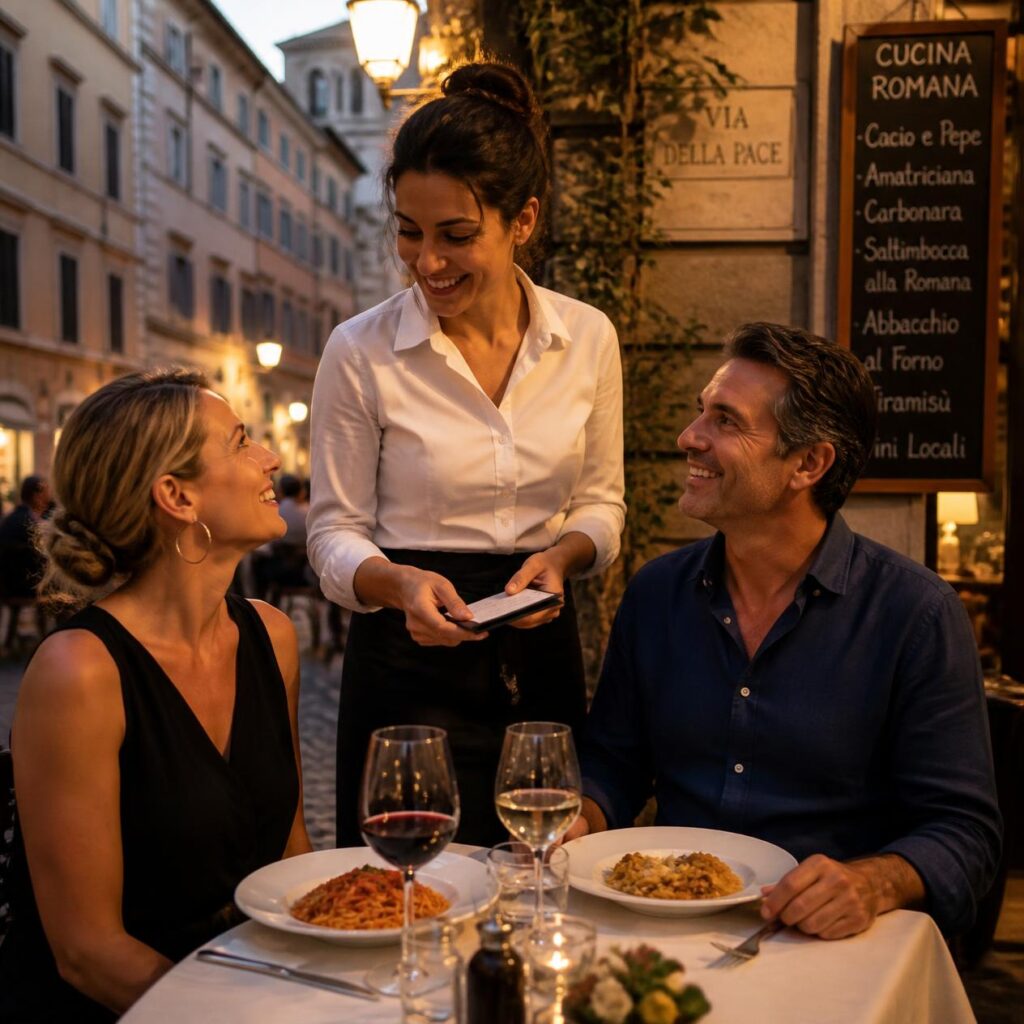
The dream of moving to Italy is often sold on the romance of il dolce far niente—the sweetness of doing nothing. Marketing brochures and Instagram reels showcase sun-drenched piazzas, endless plates of pasta, and a lifestyle that seems effortlessly cheaper than the grind of New York or Los Angeles. In 2026, the data confirms that Italy remains significantly more affordable than the United States, with overall living costs ranging from 30% to 44% lower depending on the region.
According to recent comparisons, the average monthly cost of living in Italy is approximately $1,624, compared to $2,522 in the US.
However, for the American expat, the financial reality is far more nuanced than a simple exchange rate conversion. The “true cost” of living in Italy in 2026 is not just about the price of a cappuccino; it is a complex equation of visible savings on rent and groceries offset by invisible, often shocking, bureaucratic friction costs. While a single person might survive on €1,600 ($1,870) per month in a mid-sized city compared to over $3,500 in a comparable US metro, the path to that monthly budget is paved with upfront fees that can drain a savings account before you even unpack your suitcase.
From the €135 non-refundable visa application fee to the €700 annual health tax and the relentless €16 revenue stamps required for every piece of paper you sign, the Italian system monetizes bureaucracy in a way that Americans are rarely prepared for.
This comprehensive breakdown dissects the 2026 financial landscape for Americans moving to Italy. It moves beyond the superficial “cost of living” calculators to expose the hidden line items, the regional disparities that can double your housing budget, and the specific cultural financial habits that define the expat experience. But more importantly, it reveals why these costs are merely the price of admission to a life of unparalleled richness, health, and community. Whether you are eyeing the high-speed life in Milan or the slow rhythm of a Calabrian village, understanding these numbers is the first step toward a sustainable, transformative new life.

The Bureaucratic Entry Tax: Costs Before You Arrive
The first financial shock for most Americans occurs before they even board the plane. Unlike domestic moves where the primary cost is a truck rental, moving to Italy involves a series of mandatory, non-negotiable government fees that function as a de facto “entry tax.” In 2026, securing the legal right to reside in Italy requires navigating a fee structure that is both rigid and opaque.
The process begins at the Italian Consulate in the United States. As of July 2026, the fee for a National Visa (Type D), which is required for any stay longer than 90 days, stands at $135.20. This fee is strictly non-refundable, meaning if your application is rejected due to a missing document or a clerical error, you lose the money and must pay again to reapply. While $135 may seem manageable compared to US legal fees, it is merely the entry ticket. Most consulates require payment via cashier’s check or money order in exact amounts, as they do not provide change, adding a layer of logistical friction to the payment.
Once the visa is granted and you arrive in Italy, the costs escalate. Within eight days of arrival, you must apply for the Permesso di Soggiorno (Residence Permit) at the local post office and Questura (police headquarters). The “kit” itself costs money to process. In 2026, the total fees for a standard one-year residence permit hover between €70 and €130. This includes the electronic card issuance fee, the postal processing fee, and the mandatory marca da bollo (revenue stamp).
The marca da bollo is a uniquely Italian financial concept that baffles Americans. It is a physical tax stamp, costing €16, that must be affixed to almost every official document, from residence permits to rental contracts and even some bank forms. In the US, government processing is typically covered by a single check; in Italy, you must physically purchase these stamps at a tabaccheria (tobacco shop) and stick them onto your forms. A single application often requires multiple stamps. If you need to make a sworn translation of your US documents—a requirement for almost every visa type—you will pay approximately €200 to €400 per document, plus another €16 stamp for the certification.
Furthermore, the visa process itself imposes indirect costs that function as financial barriers. Consulates require proof of accommodation and a return flight ticket. Since you cannot sign a standard 4+4 year Italian rental contract from abroad without an Italian tax code (Codice Fiscale) and often without being present, most expats are forced to book refundable hotels or short-term rentals for their initial entry. This often means securing a $2,000+ refundable flight and a €1,500 short-term rental deposit just to satisfy the consular officer, tying up significant liquidity during the move.
While these costs may seem daunting, they are the gateway to a system that, once entered, offers stability and security rarely found in the US. The bureaucracy, though frustrating, is the firewall that preserves the quality of life, healthcare, and community that make Italy so desirable.
Housing: The Great Regional Divide
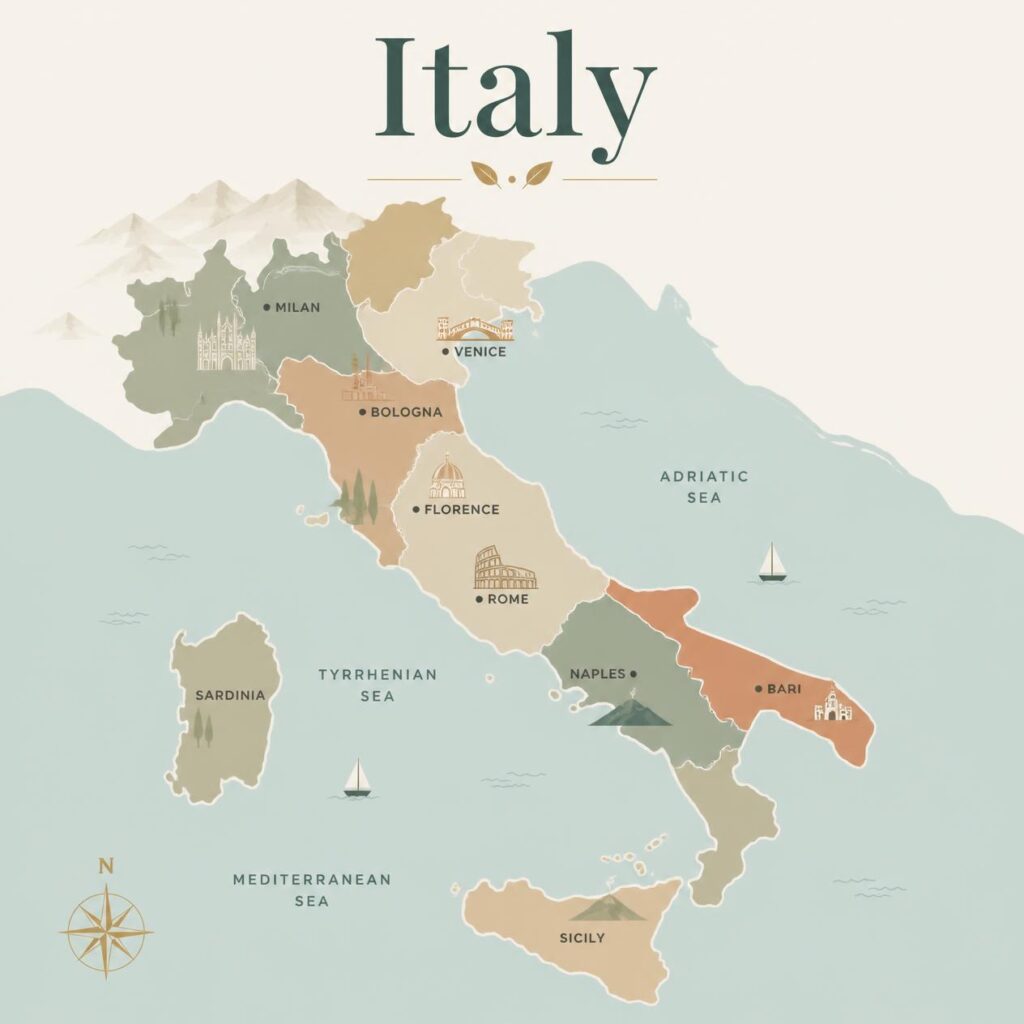
Housing is the single largest expense for any expat, and in 2026, the disparity between Italy’s northern industrial hubs and its southern rural towns has never been starker. The “average” rent in Italy is a misleading statistic; where you choose to live will dictate your entire financial lifestyle.
The Northern Premium: Milan, Rome, and Florence
In the economic and cultural capitals, rents have surged, driven by international demand and a shortage of long-term rental stock.
- Milan: As Italy’s financial engine, Milan is the most expensive city. In 2026, a one-bedroom apartment in the city center commands between €1,400 and €2,200 per month.
- A modest 80-square-meter two-bedroom can easily exceed €2,500. The market is aggressive, with bidding wars common for desirable units.
- Rome: The capital follows closely, with central one-bedrooms ranging from €1,200 to €1,800. The historic center (Centro Storico) commands a premium, but even neighborhoods slightly further out like Trastevere or San Lorenzo have seen prices climb to €1,500+ for renovated units.
- Florence: Despite its smaller size, Florence’s status as a global tourist and expat hub keeps rents artificially high. A one-bedroom in the center averages €1,300 to €1,700, with many landlords preferring lucrative short-term tourist rentals over long-term residents, squeezing supply and driving up prices.
The Southern Value: Naples, Sicily, and Calabria
Conversely, the South offers a dramatically different financial picture.
- Naples: A vibrant, chaotic metropolis where a central one-bedroom can be found for €850 to €1,200. You can live comfortably in a large apartment for the price of a studio in Milan.
- Sicily & Calabria: In cities like Palermo, Catania, or small villages in Calabria, rents plummet. A spacious two-bedroom apartment with a view might cost €500 to €800. In some depopulating rural towns, properties are even offered for €1 (though renovation costs are substantial). Success stories abound, such as the American couple in Abruzzo who bought a home outright for just €11,500 and now live mortgage-free on roughly $1,246 per month.
The Hidden Move-In Costs
The monthly rent is only part of the housing equation. The upfront costs to secure an apartment in Italy are significantly higher than in most US markets, creating a steep barrier to entry.
- The Deposit (Caparra): Italian law and custom typically require a security deposit equivalent to three months’ rent for unfurnished apartments. In Milan, this means handing over €6,000 before you get the keys.
- Agency Fees: While direct rentals from owners (privati) are common, many expats rely on real estate agencies to navigate the language barrier and find English-speaking landlords. Agency fees in 2026 typically range from one to two months’ rent plus VAT (22%). On a €1,500 apartment, this is an immediate €3,600 hit.
- Advance Rent: It is standard practice to pay the first month’s rent in advance, and sometimes landlords request additional months upfront if the tenant lacks an Italian employment history.
- Utilities Setup: Activating electricity and gas often requires a deposit or a guarantee, especially for non-residents or those without a stable Italian income history.
Consequently, to rent a modest apartment in a major city in 2026, an American expat needs to have 5 to 7 months of rent saved up just for the move-in costs. For a €1,500 apartment, you need roughly €9,000 to €11,000 in liquid cash before paying the first month’s rent. While this initial outlay is steep, it secures a home in a market where rent control and tenant protections are among the strongest in the world, offering a stability that the volatile US rental market cannot match.

Monthly Living Expenses: Show Me The Savings
Once settled, the monthly cash flow for an expat in Italy presents a mixed bag. While some categories offer massive savings compared to the US, others—particularly energy and certain imported goods—are surprisingly expensive.
Groceries and Food: The American Advantage
This is the category where the Italian lifestyle shines financially. Despite global inflation, food costs in Italy remain significantly lower than in the US.
- Groceries: A typical grocery basket in Italy is 15% to 20% cheaper than in the US. High-quality staples are incredibly affordable: a kilogram of pasta costs €1.50, a liter of excellent local wine €4–€6, and fresh seasonal produce is a fraction of US prices. A head of radicchio or a kilo of tomatoes might cost €1–€2, whereas similar organic produce in the US could be $5–$8.
- Dining Out: The culture of the aperitivo and the menu turistico (though expats avoid the latter) keeps dining accessible. An inexpensive meal at a local trattoria averages €15–€18, compared to $20–$25 in the US. A three-course dinner for two with wine at a mid-range restaurant typically costs €60–€80, a significant saving over the $100+ equivalent in American cities.
- Coffee Culture: The iconic espresso remains a bargain at €1.10–€1.50 at the bar. However, be warned: sitting at a table (al tavolo) can double or triple the price.
Utilities: The European Way
Americans accustomed to cheap energy face a rude awakening. Italy has some of the highest electricity and gas rates in Europe due to its reliance on imported natural gas and heavy taxation.
- Electricity & Gas: For an 85-square-meter apartment, monthly utility bills average €200 to €250 in 2026. In the winter, heating costs can spike dramatically, pushing bills over €300–€400 if you are not careful with thermostat usage. The Italian custom of turning off the heat during the day and wearing sweaters indoors is a financial necessity, not just a quirk.
- Internet & Mobile: Conversely, telecommunications are a bargain. High-speed fiber optic internet (1 Gigabit) costs €25–€35 per month. Mobile plans are astonishingly cheap; unlimited calls and 100GB+ of 5G data are available for €10–€15 per month from providers like Iliad or WindTre.
- Waste Tax (TARI): Every household must pay the Tassa sui Rifiuti, a municipal garbage tax based on square footage and the number of occupants. For a two-person apartment, this adds roughly €20–€25 per month to your expenses, often billed in quarterly installments.
Transportation: The Car-Free Savings
Owning a car in Italy is a luxury that drains the budget, while public transport offers immense savings.
- Public Transit: A monthly pass in major cities like Rome or Milan costs €35–€50, providing unlimited access to buses, trams, and metros.
- This is a fraction of the $100+ typical in US cities.
- Fuel & Cars: Gasoline prices hover around €2.00 per liter (approx. $8.50 per gallon). Car insurance is mandatory and expensive, often exceeding €600–€1,000 per year for new residents without an Italian driving history. Additionally, many historic city centers have ZTL (Zona a Traffico Limitato) zones where driving is forbidden for non-residents, resulting in automatic €100+ fines if you accidentally enter. For most expats in cities, a car is a financial liability, not an asset.

Healthcare: The Good, The Bad, & The Healthy Advantages
Healthcare is perhaps the most misunderstood financial aspect of moving to Italy. The myth that “healthcare is free” needs immediate correction: it is free only after you have navigated the complex residency and payment requirements. Yet, once inside the system, it offers a level of security that is priceless.
The Public System (SSN) Costs
For Americans, accessing the Servizio Sanitario Nazionale (SSN) depends entirely on your visa status.
- Employees & Self-Employed: If you have an Italian work contract or are registered as a freelancer (Partita IVA), you contribute to the system through taxes, and registration is free.
- Students: Non-EU students can voluntarily register for the SSN by paying a flat fee of €700 per year (as of 2026). This grants full access to GPs, specialists, and hospitals.
- Elective Residents & Retirees: This is the most expensive category. Americans moving to Italy on an Elective Residence Visa (who cannot work) or retirees without an EU S1 form must pay an income-based fee to join the SSN. In 2026, the minimum annual contribution is €2,000, but it can scale up significantly based on your worldwide income. For a wealthy retiree, this could mean paying €4,000–€6,000+ per year per person just for the right to use the public system.
The Private Insurance Reality
Because the SSN registration for elective residents is so costly and bureaucratic, many expats initially rely on private insurance.
- Visa Requirement: To get the visa, you must prove you have private health insurance covering at least €30,000 with repatriation coverage. Basic plans cost €50–€100 per month for a healthy adult.
- The Gap: However, these basic visa-compliant plans are often useless for actual daily care. They cover emergencies but rarely cover routine GP visits, chronic conditions, or specialist consultations without high deductibles. Comprehensive international private health insurance (like Cigna Global or Allianz) that actually functions like US PPO plans can cost €200–€400 per month for a couple in their 50s or 60s.
- The Strategy: Many expats opt for the “hybrid” approach: pay the minimum private insurance for the visa, pay out-of-pocket for minor issues (a specialist visit in the private sector is €80–€120), and use the public system only for major emergencies until they qualify for residency-based SSN access.
The Healthy Dose of Reality: A healthcare System That actually Cares
In the US, healthcare is often a source of anxiety, a financial ticking time bomb where a single diagnosis can lead to bankruptcy. In Italy, healthcare is a civil right, not a privilege. The Servizio Sanitario Nazionale (SSN) is consistently ranked among the top three in the world by the World Health Organization. The true value isn’t just the low co-pays (often just €20–€30 for a specialist visit); it is the psychological freedom of knowing that a serious illness will not destroy your family’s financial future. Expats report a profound shift in mental health simply from removing the fear of medical bills. With life expectancy in Italy reaching 83 years (compared to 77 in the US), the lifestyle itself acts as medicine.

The Hidden Gems: Why the Investment Pays Off in Joy
While the financial breakdown reveals the cost of moving, it fails to capture the value you receive in return. The “hidden gems” of Italian life are not line items on a spreadsheet; they are the intangible assets that compound daily to create a richer, healthier, and more meaningful existence. When Americans weigh the €16 revenue stamps against the reality of their new life, the scale tips overwhelmingly in favor of Italy.
Time Wealth: The Ultimate Luxury
In the US, time is money, and both are often spent at a frantic pace. In Italy, time is life. The cultural commitment to work-life balance is not a slogan; it is a legally protected and socially enforced reality.
- The 6-Week Reset: Italians legally mandate a minimum of four weeks (20 working days) of paid vacation annually, with most collective bargaining agreements granting 26–28 days.
- Unlike in the US, taking this time is expected, not frowned upon. August sees entire cities shut down as families retreat to the coast or mountains, a collective pause that recharges the soul.
- The Art of Living: The day is structured around living, not just working. The two-hour lunch break (pausa pranzo) allows for a proper meal and rest, not a sandwich eaten at a desk. This slower pace reduces cortisol levels and fosters deeper connections. Expats often describe their first year in Italy as “decompressing” from years of American stress, rediscovering hobbies, and actually knowing their neighbors.
Community and Connection: The Antidote to Loneliness
The US is currently facing an epidemic of loneliness, with social isolation linked to significant health risks. Italy offers a built-in antidote: community.
- The Piazza Culture: Life in Italy happens outside. The piazza is the living room of the town, where generations mix, children play safely, and neighbors gather for evening passeggiata (strolls). This organic social fabric means you are never truly alone.
- Intergenerational Bonds: Italian society deeply respects age and family. Elders are integrated into daily life rather than segregated, and children are welcomed everywhere—from restaurants to late-night gelato runs. For families, this creates a supportive village atmosphere that is increasingly rare in the US.
- The “Foreigner” Welcome: While bureaucracy can be cold, individual Italians are famously warm. Once you make an effort with the language and customs, you are often embraced with a generosity that transcends transactional relationships. Invitations to family dinners, help with local festivals, and genuine friendships form the emotional core of the expat experience.
Cultural Abundance: A Life of Beauty and Inspiration
Finally, the “cost” of living in Italy buys you entry into a living museum of human achievement. Beauty is not reserved for weekends at a museum; it is the backdrop of daily life.
- Daily Inspiration: Walking to the grocery store might mean passing a 2,000-year-old Roman ruin, a Renaissance fresco, or a baroque fountain. This constant exposure to art and history fosters a sense of perspective and wonder.
- Travel Hub: Living in Italy places you at the center of Europe. Weekend trips to Paris, Vienna, or the Greek islands are affordable and easy, broadening your horizons and creating a lifetime of memories.
- The “Dolce Far Niente”: The sweetness of doing nothing is a skill Italians have mastered. It is the ability to sit in a café for an hour with a single espresso, watching the world go by, without guilt or the urge to be “productive.” This mindfulness is a hidden gem that transforms the quality of every single day.

The Verdict: An Investment in a Better Life
Yes, the upfront costs are real. The bureaucracy is frustrating, and the initial financial outlay for visas, deposits, and stamps can feel daunting. You must be prepared to spend €5,000–€10,000 in the first three months on visas, permits, stamps, agency fees, and deposits before you settle into that lower monthly rhythm. The system is designed to be expensive for outsiders until you are fully integrated.
But to view these only as expenses is to miss the bigger picture. You are not just paying for a residence permit; you are investing in a fundamental upgrade to your operating system.
You are trading a high-stress, high-cost, isolated existence for one defined by health, community, time, and beauty. The €16 stamp buys you entry into a society where dinner lasts three hours, where doctors listen, where children play in the streets, and where the sunset is a daily event to be celebrated, not rushed past. The Americans who have made the leap—from the couple in Abruzzo living mortgage-free on $1,246 a month to the retirees in Sicily enjoying world-class care for pennies—will tell you the same thing: The math works, but the magic is in the life.
The hidden costs are temporary hurdles; the hidden gems are forever. If your goal is not just to save money, but to live money’s worth every single day, then Italy is not just a good decision; it is the only decision. The true cost of La Dolce Vita is not just measured in Euros; it is measured in patience, and the return on investment is a quality of life that money alone simply cannot buy in the United States.