
Why Italian Food Wins
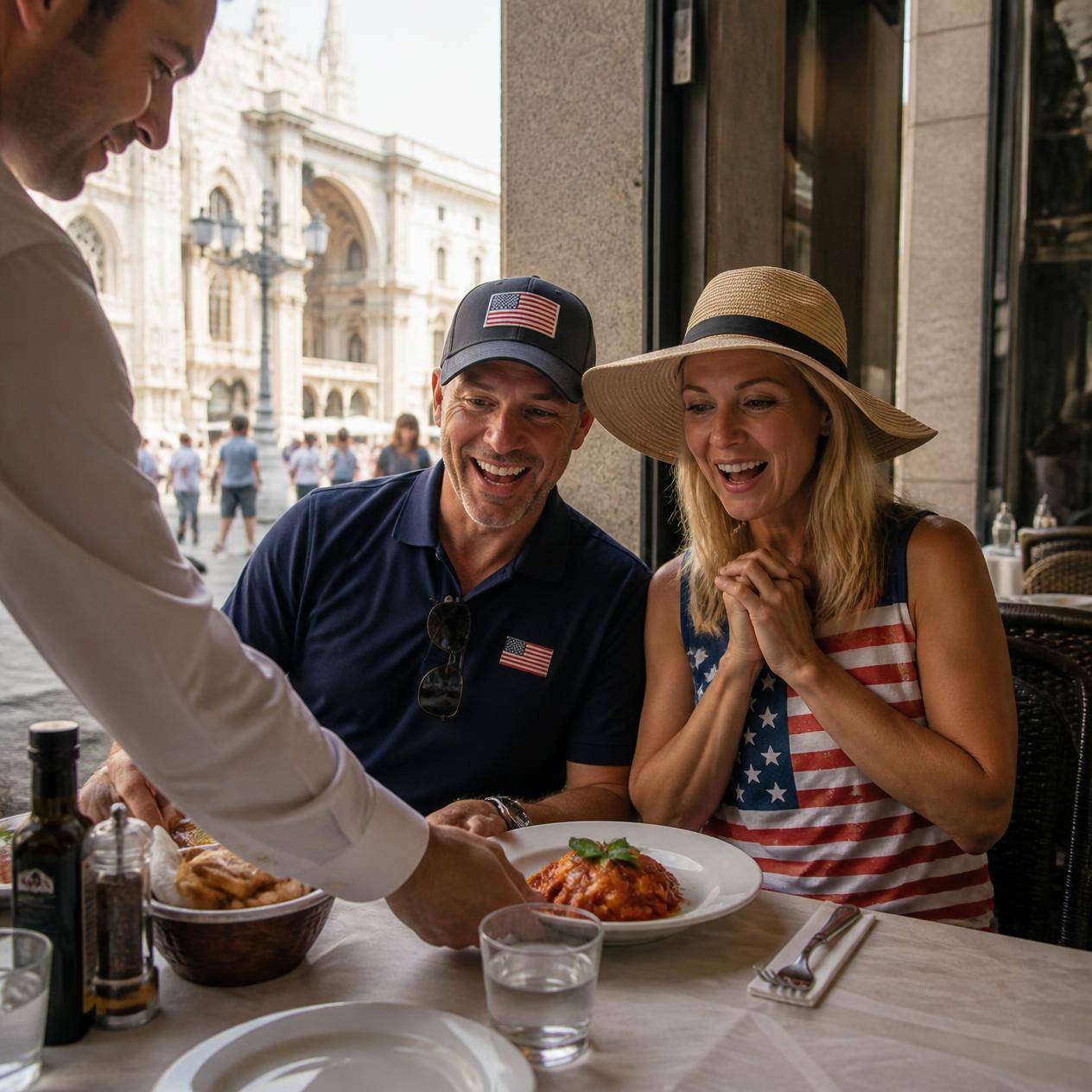
If you’ve ever found yourself dreaming of a plate of perfectly al dente pasta coated in a sauce that sings with the flavors of sun-ripened tomatoes, or a pizza with a crust so divine it could make angels weep, then you already understand the magnetic pull of Italian cuisine. But here’s the secret that food connoisseurs have known for centuries: Italian food in Italy exists in an entirely different stratosphere of deliciousness than its international cousins. Today, we’re embarking on a gastronomic journey to uncover why the authentic Italian culinary experience remains unparalleled in the global food scene.
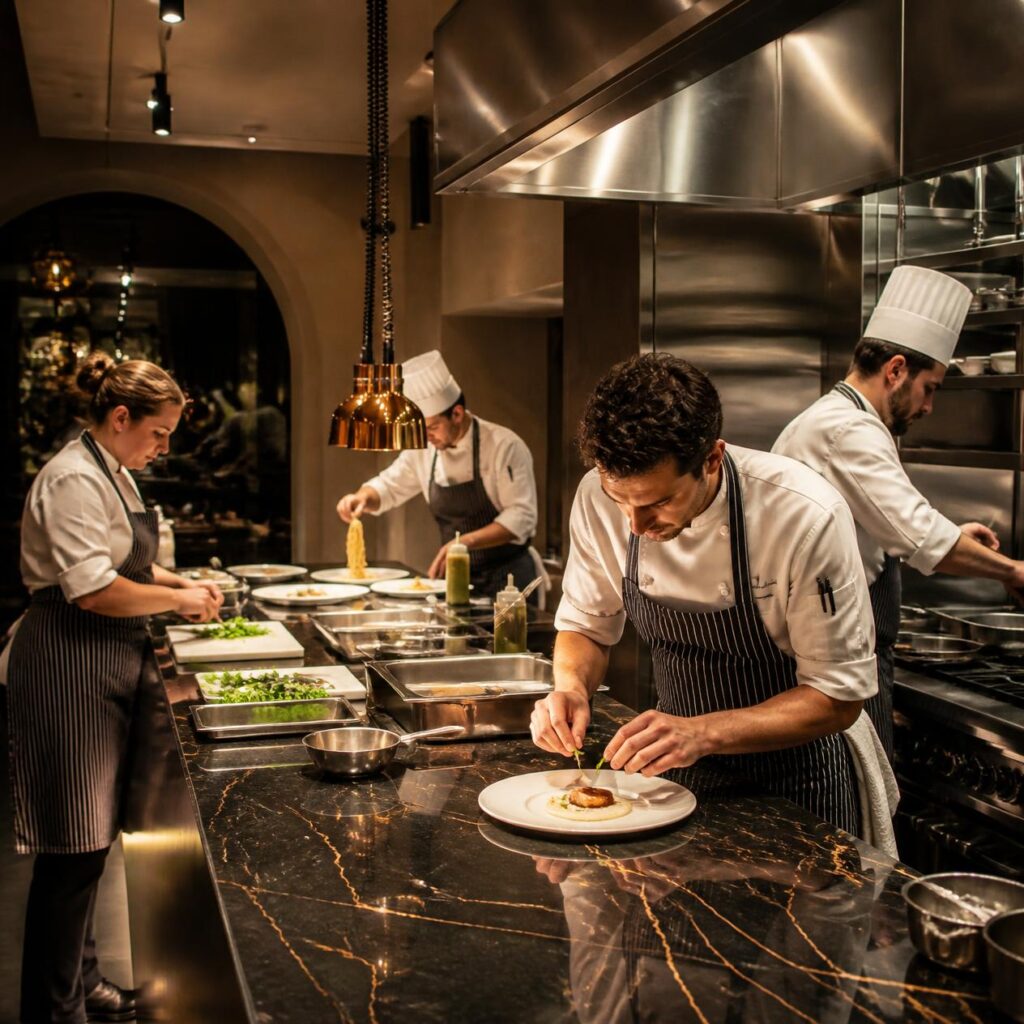
Cooked With Intention: Food Begins Before the Kitchen
Italian cuisine’s supremacy begins long before ingredients reach the cutting board. The concept of terroir—how a region’s climate, geography, and soil affect food’s taste—isn’t just a fancy French term in Italy; it’s the foundation of their culinary philosophy. Each of Italy’s 20 regions boasts distinct microclimates and agricultural traditions that produce ingredients with flavors that simply cannot be replicated elsewhere.
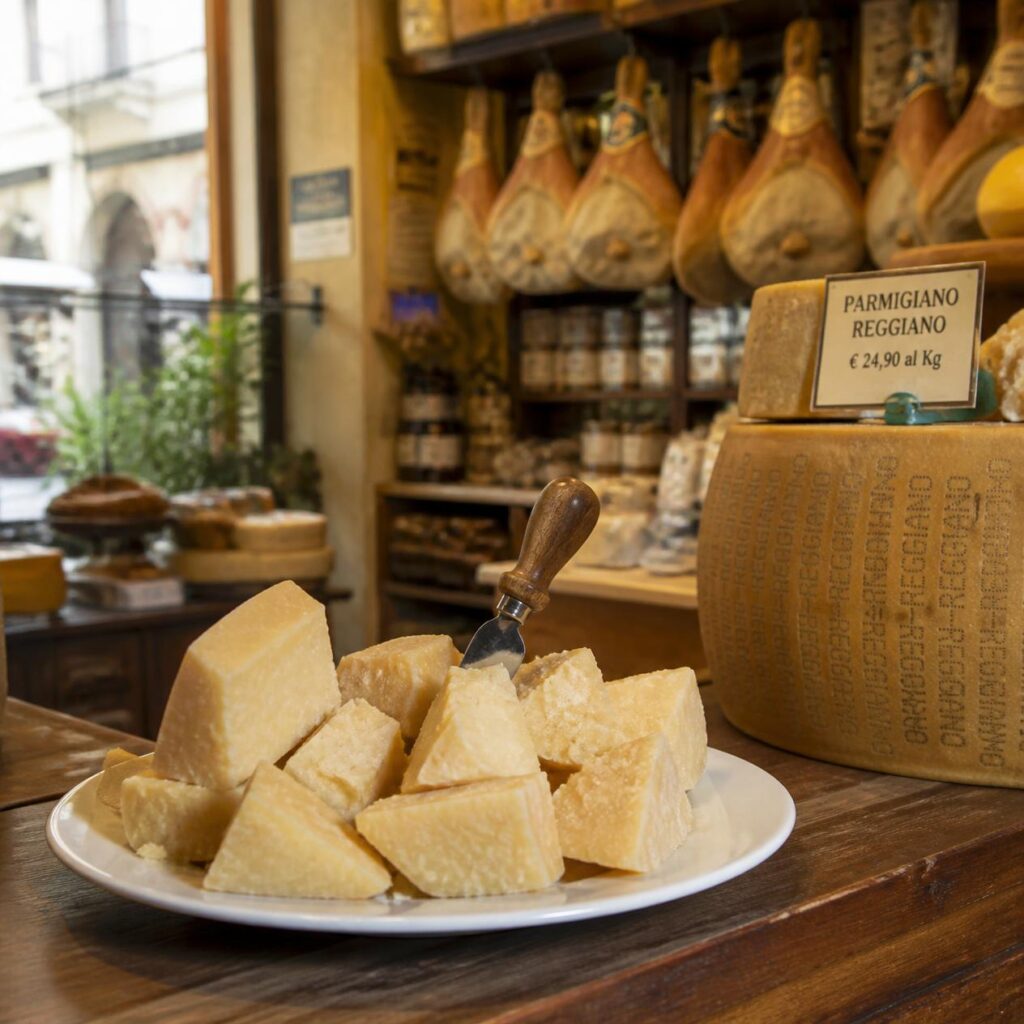
Consider Parmigiano-Reggiano, which isn’t merely “Parmesan” but a protected designation product that can only be produced in specific provinces following strict laws about where it’s made, the cows’ diet, aging length, and more. This isn’t snobbery—it’s the Italian commitment to preserving taste integrity. The result? A cheese with crystalline texture and complex flavor profiles that mass-produced imitations can only dream of emulating.
The 2026 food scene has caught on to what Italians have known for centuries: quality ingredients matter. As food trends move toward “clean labels” and “bold flavors,” Italy’s ingredient-first approach proves timeless. While other cuisines chase trends, Italian food evolves quietly, “like a vineyard that learns to listen to the climate,” refining tradition with intelligence rather than abandoning it.
The Art of Simplicity: Less Is Truly More
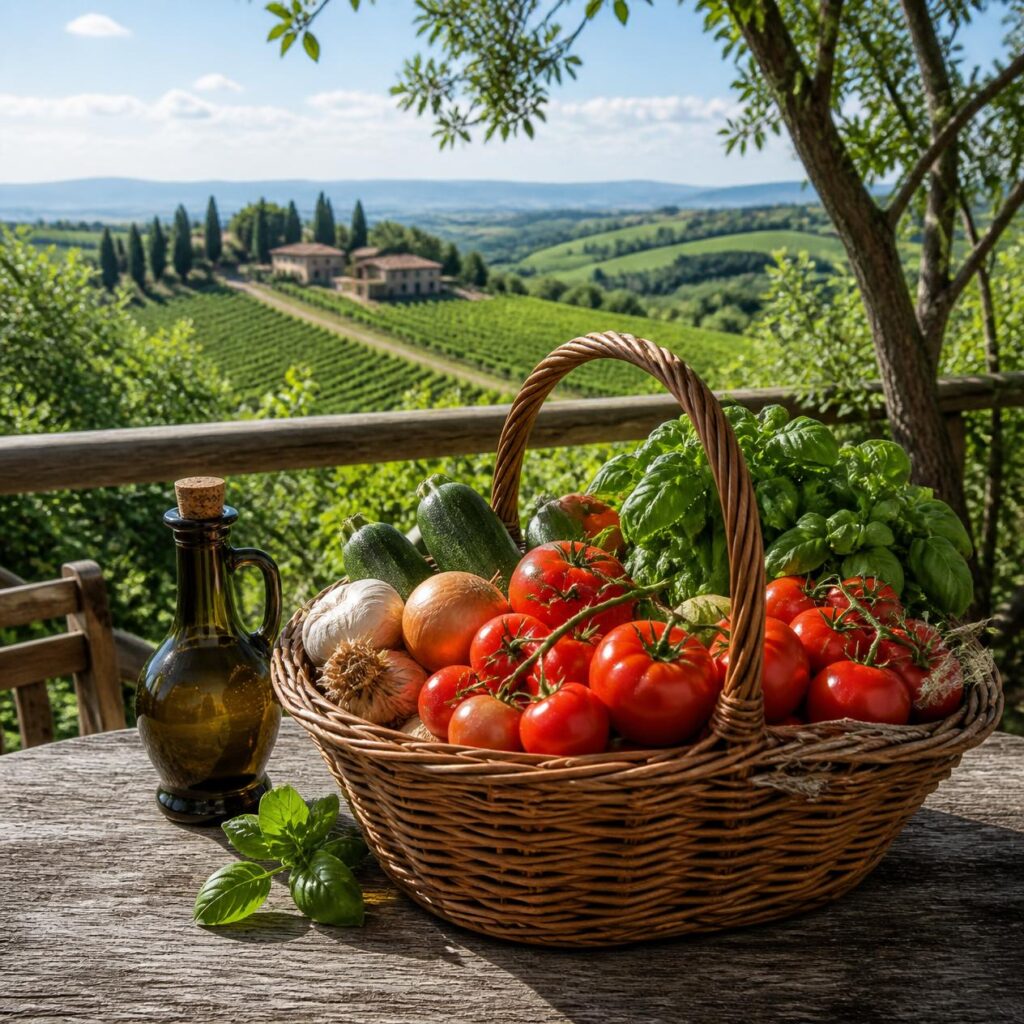
In a world of molecular gastronomy and fusion experiments, Italian cuisine’s genius lies in its elegant simplicity. The Italian culinary approach typically involves 3-7 high-quality ingredients, each allowed to shine without being masked by complex techniques or competing flavors. This isn’t laziness—it’s confidence in the ingredients’ quality.
When you eat pasta in Italy, you’re experiencing a perfect harmony of few elements: exceptional pasta (often made from ancient wheat varieties like Senatore Cappelli or Timilia, stone-milled and bronze-drawn for superior texture), a sauce made from tomatoes that tasted sunshine before they left the vine, perhaps some local olive oil, and a finishing sprinkle of cheese that has been aged to perfection. Each component contributes to the whole without overwhelming it.
This philosophy extends to how Italians eat. Meals aren’t rushed experiences but celebrations of seasonal bounty. The 2026 trend toward “little luxury” finds its roots in Italian dining traditions—where a simple drizzle of finishing olive oil on vegetables, soups, or even fruit transforms the everyday into something extraordinary.

Regional Diversity: Twenty Countries of Food in One
Perhaps the most misunderstood aspect of Italian cuisine abroad is its perceived uniformity. In reality, Italian food isn’t one cuisine but twenty distinct regional traditions, each with specialties that reflect local history and available ingredients.
Emilia-Romagna, often called Italy’s food capital, reigns supreme with 44 protected designation of origin (PDO) and protected geographical indication (PGI) products—the most of any Italian region. This is where you’ll find legendary treasures like Prosciutto di Parma and traditional balsamic vinegar. But don’t count out other regions: Tuscany’s wild boar and bean dishes, Sicily’s seafood and Arab-influenced sweets, or the mountain regions’ exceptional raw-milk cheeses aged longer and more patiently than before.
This regional diversity means that even Italians themselves travel within their country for specific culinary experiences, heading to different regions for particular products, drinks, or dishes. It’s a cuisine of place, not just of technique.
The Pasta Paradox: Simple Yet Complex
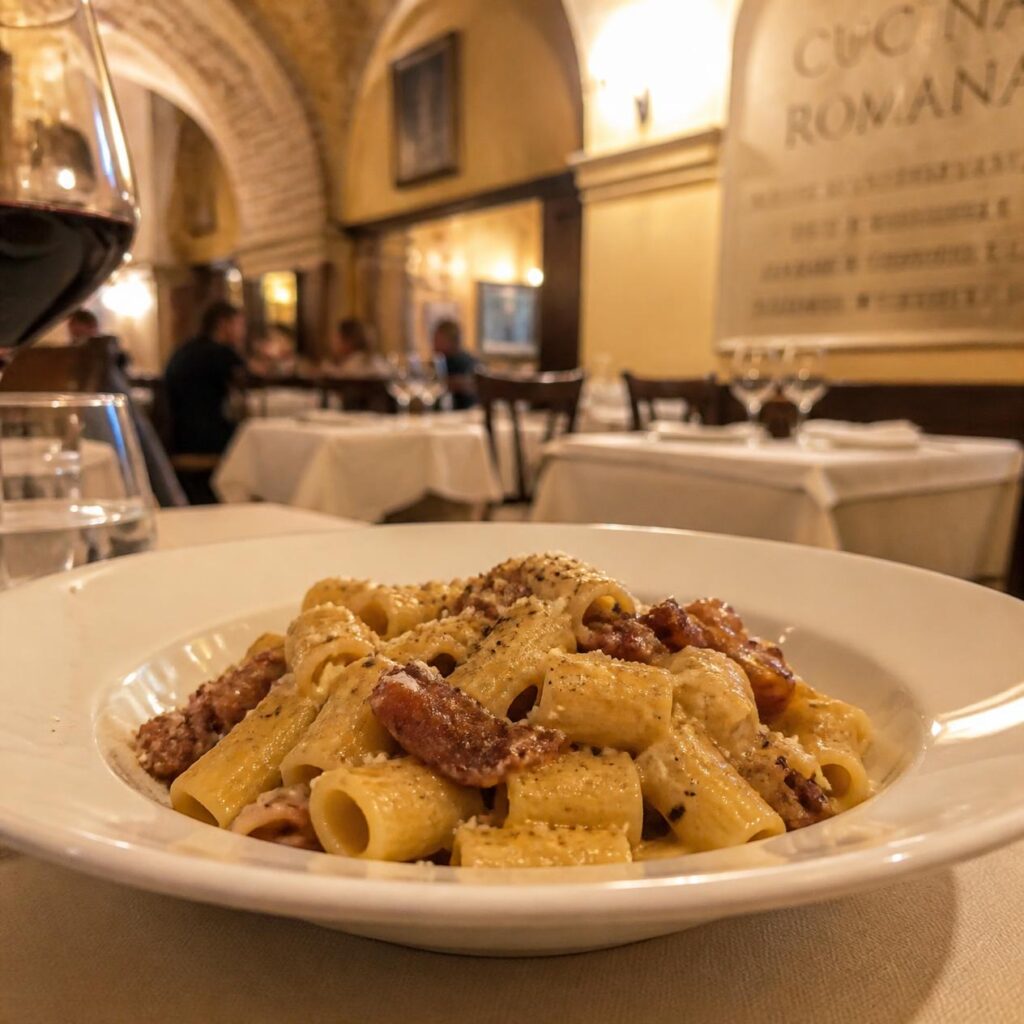
Ah, pasta—perhaps Italy’s greatest culinary gift to humanity. But what makes pasta in Italy so transcendent? It starts with the wheat. The most exciting pastas come from ancient and heritage wheat varieties that offer texture, digestibility, and flavor complexity that modern wheat simply can’t replicate. Stone-milled, slowly dried, and bronze-drawn, these pastas provide a nutty, resilient texture that’s alive in the mouth.
Then there’s the art of pairing pasta shapes with appropriate sauces. This isn’t arbitrary—it’s a science of texture and sauce distribution. Tube shapes capture chunky sauces; long strands complement olive oil-based sauces; ridged varieties hold cream sauces beautifully. Each combination has been perfected over generations.
The pasta water—often discarded by home cooks abroad—is actually a precious ingredient in Italian cooking, containing starch that helps emulsify and bind sauces to pasta. This attention to detail transforms simple ingredients into something sublime.
The Pizza Revolution: Beyond What You Know
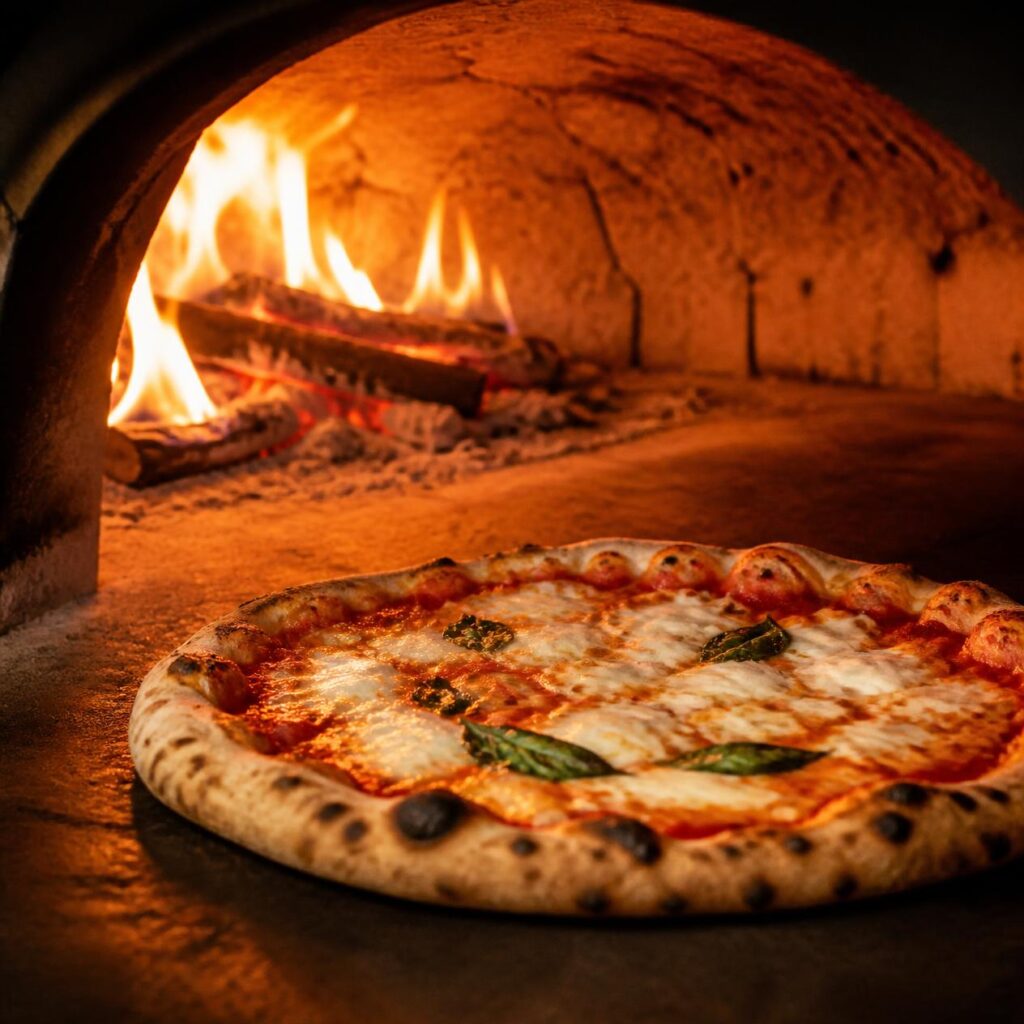
If you’ve only experienced pizza outside Italy, you’re missing the world’s most perfect food. Authentic Italian pizza—particularly Neapolitan—follows strict standards: specific flour types, water mineral content, fermentation times, and wood-fired cooking at extremely high temperatures that create a crust with leopard-spotting char but remains tender inside.
The genius lies in the balance: a slightly acidic tomato sauce, milky fresh mozzarella (never the low-moisture version), perhaps a few leaves of basil or some prosciutto, all on a crust that serves as vehicle rather than filler. It’s a study in controlled restraint where every ingredient plays its part perfectly.
The Cheese Chronicles: A Universe of Flavor
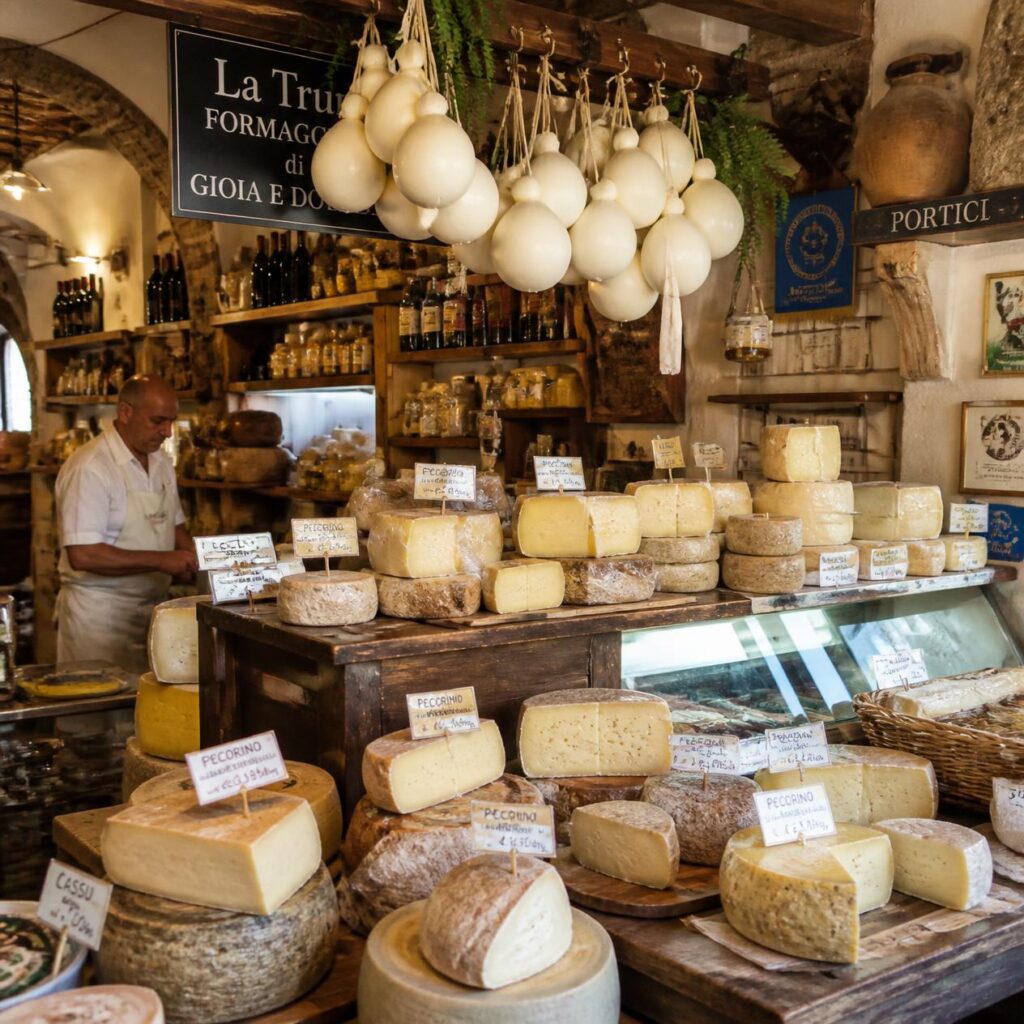
Italian cheese deserves its own culinary category. From the sharp complexity of aged Asiago to the creamy delicacy of fresh mozzarella di bufala, Italian cheeses represent some of the world’s most sophisticated dairy traditions.
What makes Italian cheese exceptional? It starts with the animals—cows, sheep, and goats that graze on specific pastures that impart distinctive flavors to their milk. The production methods often follow centuries-old traditions, with aging processes that can’t be rushed or replicated in industrial settings.
Italy’s mountain regions are producing exceptional raw-milk cheeses from the Alps and Apennines, aged longer and more patiently than before—cheeses that tell the story of their in every bite. These aren’t just cheese; they’re edible history.
The Olive Oil Elixir: Liquid Gold
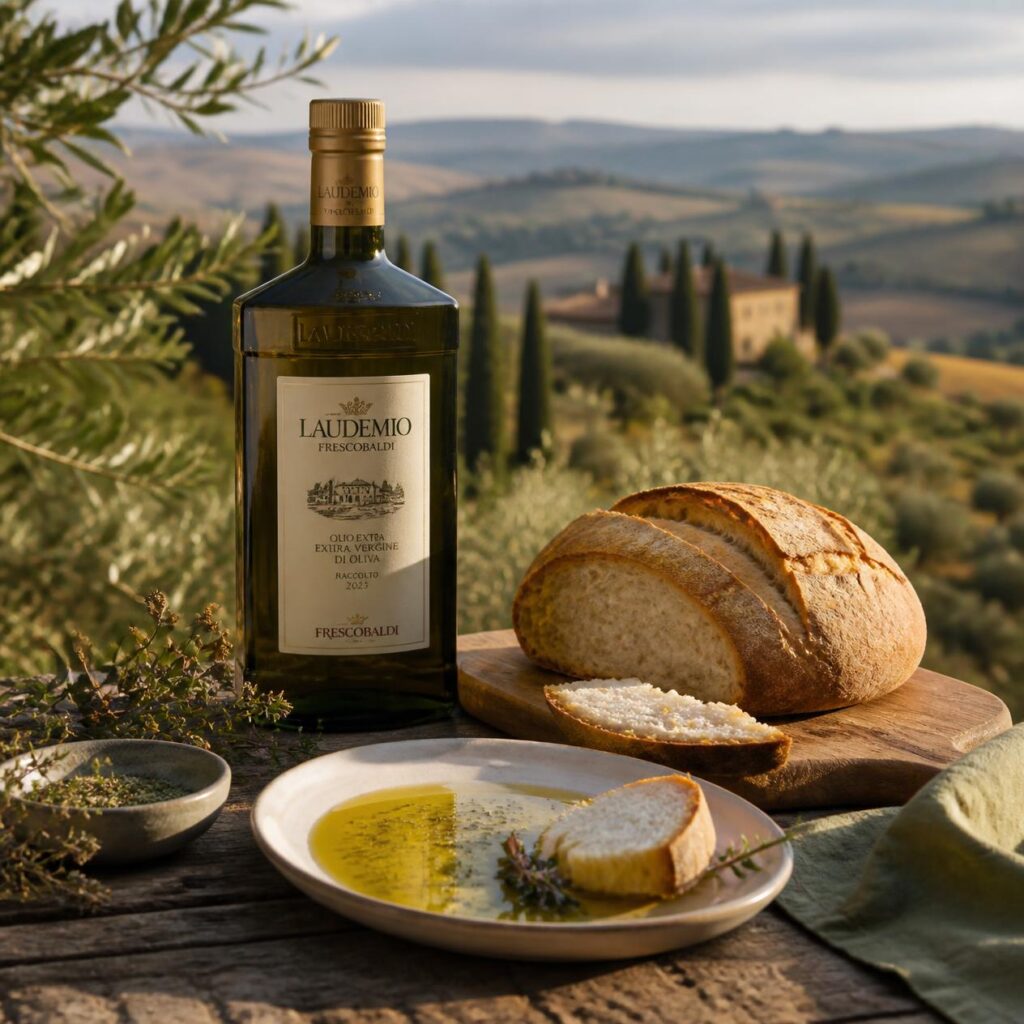
Italian olive oil deserves its reputation as “liquid gold.” What many don’t realize is that Italy produces olive oils with dramatically different flavor profiles depending on region and olive variety—from the peppery Tuscan oils to the fruitier Sicilian varieties.
Olive oil is no longer just a condiment—it’s a narrative. The best Italian olive oils are used as finishing oils, drizzled over vegetables, soups, pasta, and even fruit to add flavor complexity and nutritional benefits. This simple act transforms dishes from good to extraordinary.
The Sweet Spot: Dolce Vita
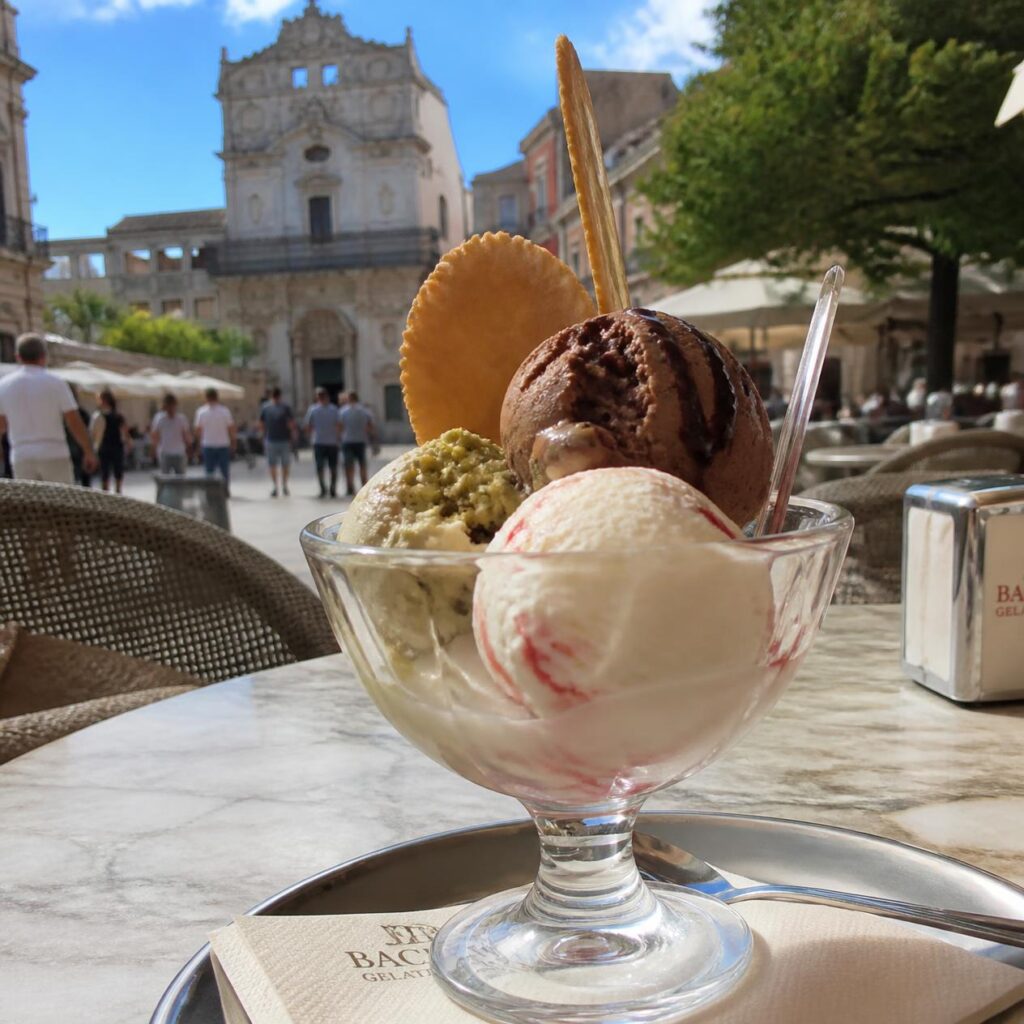
Italian desserts typically avoid the excessive sweetness common in many other traditions. Instead, they celebrate quality ingredients in moderation: the subtle bitterness of amaretti cookies, the creamy perfection of gelato made with fresh milk and seasonal fruits, the delicate crunch of cannoli shells filled with sweetened ricotta.
Even the beloved tiramisù achieves balance through its components—coffee-soaked ladyfingers, mascarpone cream, a dusting of cocoa—creating a dessert that satisfies without overwhelming.

The Health Paradox: Delicious and Nutritious
While often indulgent, traditional Italian food aligns remarkably well with nutritional science. The Mediterranean diet, with its emphasis on fresh vegetables, fruits, whole grains, olive oil, and moderate amounts of dairy and meat, has been extensively studied for its health benefits.
Italian food achieves this through minimal processing. As one source notes, “eating not-frozen veggies and fruits, pasta and sea-food is much healthier as the amount of processed ingredients is very less. For instance, Italians make fresh pasta from flour, egg and water.” Even dishes that seem indulgent often contain beans, whole-grains and vegetables that are “low in calories but give a high nutritional value.”

The Cultural Context: Food as Life
Perhaps what truly makes Italian food in Italy exceptional is how it’s integrated into daily life. Meals aren’t merely fuel but social rituals, times for connection and celebration. The Italian approach to eating—taking time, savoring each bite, sharing with others—transforms the nutritional into the emotional.
This cultural context explains why Italian food often feels disappointing abroad: it’s missing the Italian approach to life itself. The same ingredients prepared with the same techniques somehow taste different when consumed in the Italian atmosphere.
The Global Appeal: Universal Yet Uniquely Italian
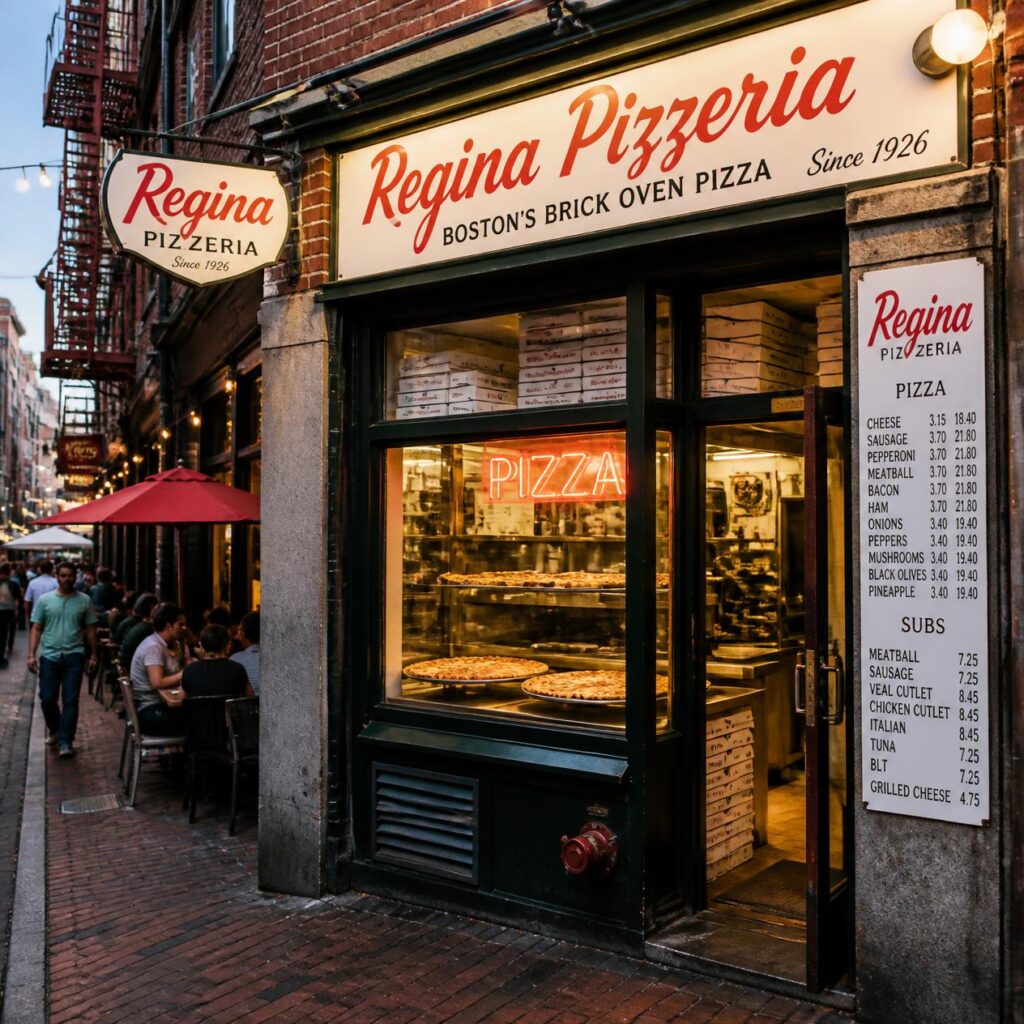
Despite its deep regional roots, Italian food has achieved remarkable global popularity. In surveys about what cuisines Americans search for, Italian consistently ranks as the most popular Western cuisine. This isn’t accidental—the balance of flavors, comforting textures, and emphasis on quality ingredients creates universal appeal.
What’s fascinating is how Italian immigrants brought their recipes with them long ago, creating versions that adapted to new ingredients while maintaining the Italian spirit of the food. But as any food lover who has experienced both knows, these international versions, while delicious, remain echoes of the authentic experience.
Italian food’s global influence cannot be overstated. It has shaped international palates, introduced concepts like “al dente” and “primavera” into global vocabulary, and established standards for quality that other cuisines aspire to. Yet despite this global reach, the best Italian food remains stubbornly local—a treasure that rewards those who seek it at its source.
What’s remarkable is how Italian food has maintained its identity while adapting globally. Unlike some cuisines that have been significantly altered in international contexts, Italian food has retained its essential character even as it has spread worldwide. This resilience speaks to the strength of its culinary principles.
The Food Renaissance: Tradition Meets Innovation
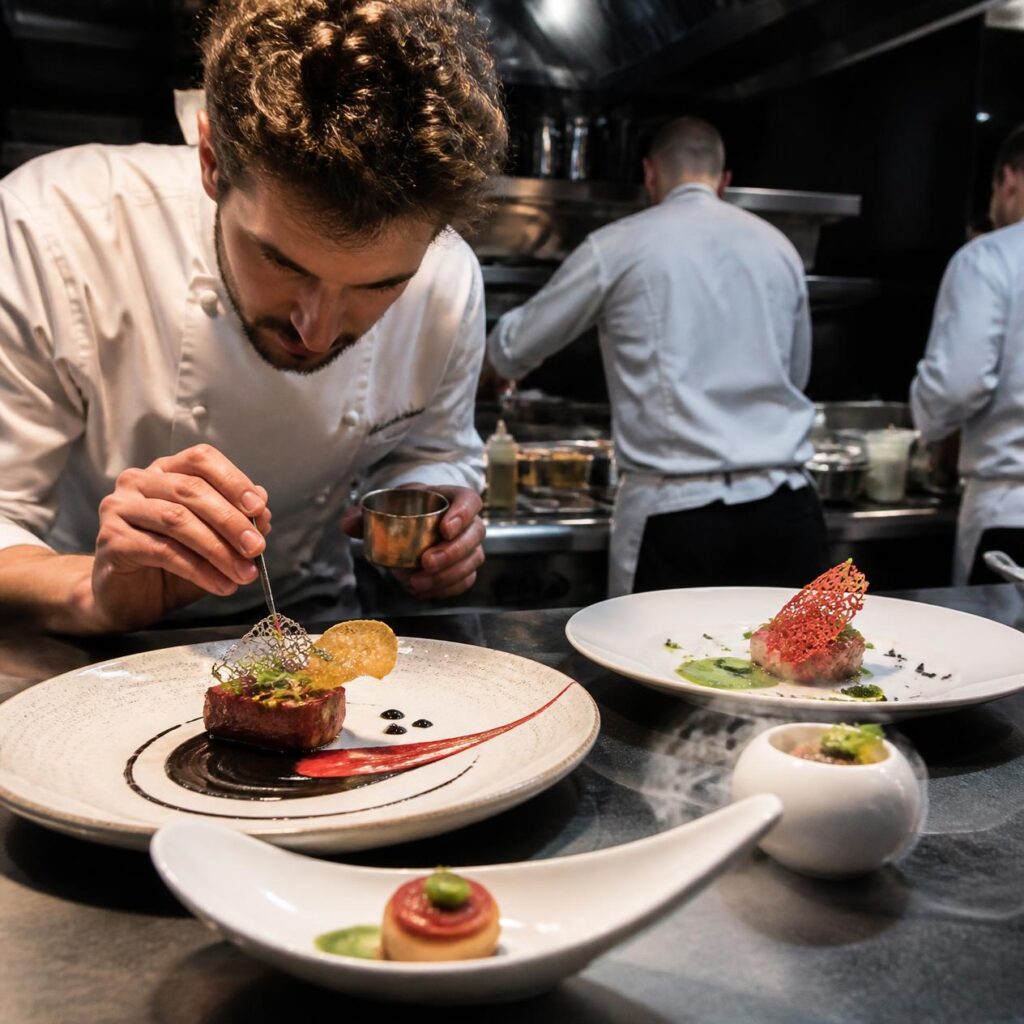
The contemporary Italian food scene isn’t a museum piece; it’s a living tradition that continues to evolve intelligently. In 2026, we’re witnessing what food experts call a “back to the future” movement—rediscovering ancient wheat varieties, heritage techniques, and forgotten recipes while incorporating modern nutritional science. This isn’t about reinventing Italian food but refining it.
The most exciting developments include pasta made from ancient and heritage wheat varieties that offer superior texture and digestibility. These innovations respect tradition while elevating it—a distinctly Italian approach to progress.
The Wine Wisdom: Love in a Bottle
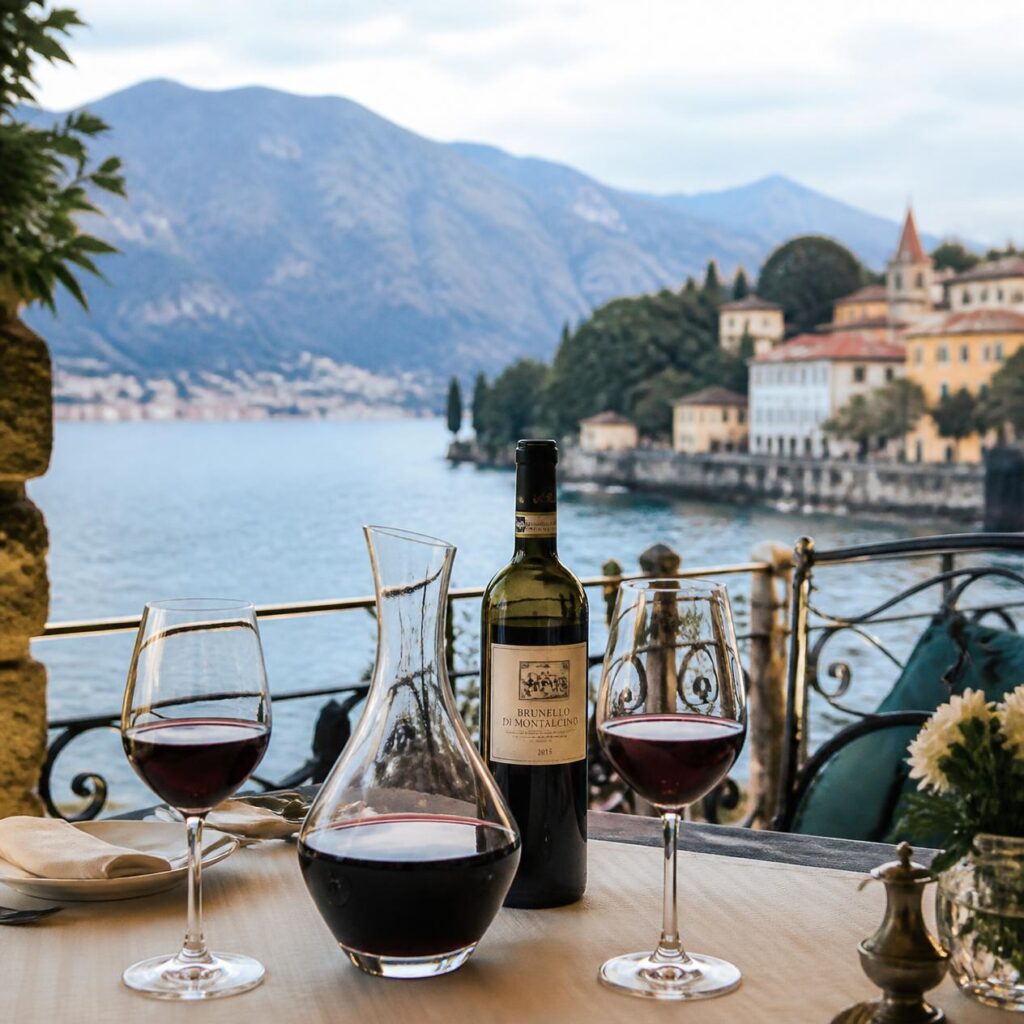
No discussion of Italian food excellence would be complete without mentioning wine. Italian wine culture mirrors its food philosophy: regional diversity, respect, and balance between tradition and innovation. From the robust Barolos of Piedmont to the crisp Pinot Grigios of Veneto, each Italian wine tells a story of its place.
What makes Italian wine exceptional alongside food is its food-friendly nature. Italian wines are typically designed to complement, not dominate, the meal. They have the acidity and structure to cut through rich dishes while enhancing simpler preparations. This isn’t an accident—it’s the result of centuries of evolving wine and food together.

The Coffee Culture: Beyond the Bean
Even Italian coffee reflects the cuisine’s excellence. The Italian approach to coffee—espresso-based drinks consumed quickly while standing at a bar, cappuccino strictly before noon, espresso as a digestif after meals—demonstrates how Italians elevate even simple daily rituals.
What makes Italian coffee exceptional isn’t just the beans or the machines but the cultural context. It’s not about caffeine delivery but about momentary pleasure, a small luxury integrated into daily routine. This philosophy extends to all Italian food: it’s not merely sustenance but a source of joy.
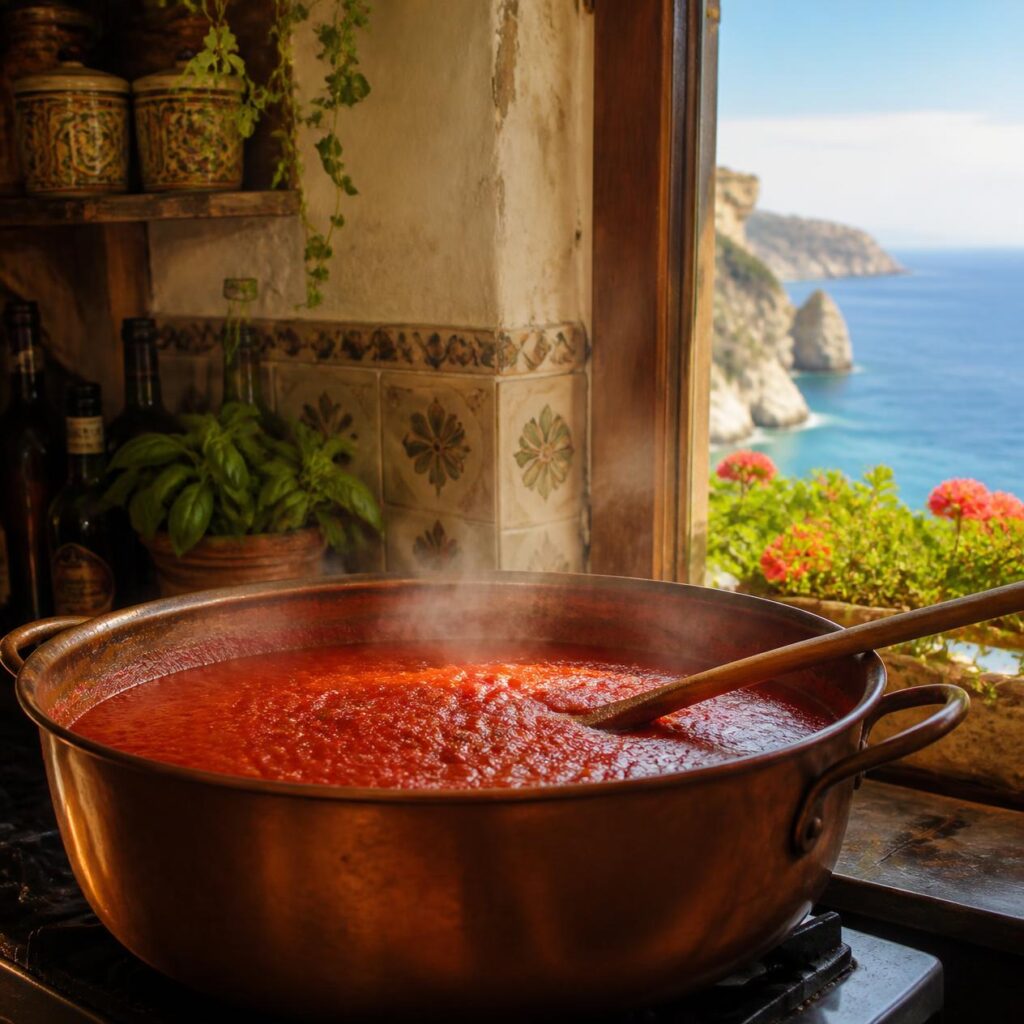
The Secret Ingredients: Time & Patience
Perhaps the most underrated aspect of Italian food excellence is the role of time. Traditional Italian cooking doesn’t rush—sauce simmers for hours, dough rises slowly, cheeses age patiently, cured meats develop flavor over months. This patience cannot be replicated in commercial settings that prioritize speed over quality.
The Italian understanding of time extends to eating itself. Meals aren’t rushed but savored, allowing for proper digestion and appreciation. This unhurried approach transforms eating from mere consumption into a full sensory experience.
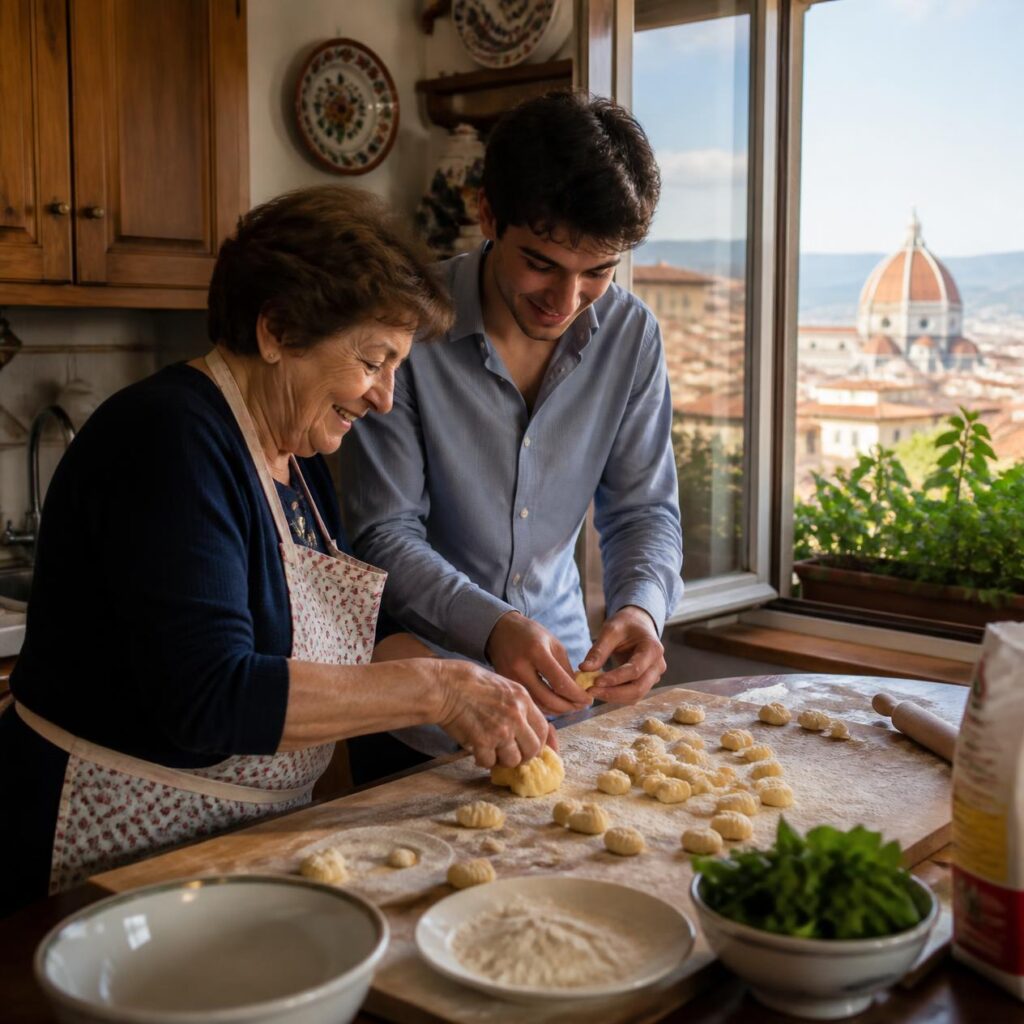
Traditional Flavors: Teaching The Next Generation
Italian food in Italy represents more than just good eating—it’s a masterclass in how food should be: respectful of tradition, committed to quality, devoted to pleasure, and integrated into life. In a world of food trends and fleeting fancies, Italian cuisine remains a constant—proof that excellence doesn’t require complication, and that the best things in life are often the simplest.
So the next time you’re wondering what to eat for dinner, consider the Italian approach: start with exceptional ingredients, don’t complicate things, take your time, and share it with someone you love. You might not be in Italy, but you’ll be eating like an Italian—and that’s the closest thing to culinary perfection most of us can achieve on a Tuesday night.
The world may have countless cuisines, but only one can claim to have perfected the art of delicious eating with such consistency, passion, and intelligence. That cuisine is Italian—specifically, Italian food in Italy, where every meal is a reminder that food isn’t just fuel for the body but nourishment for the soul.
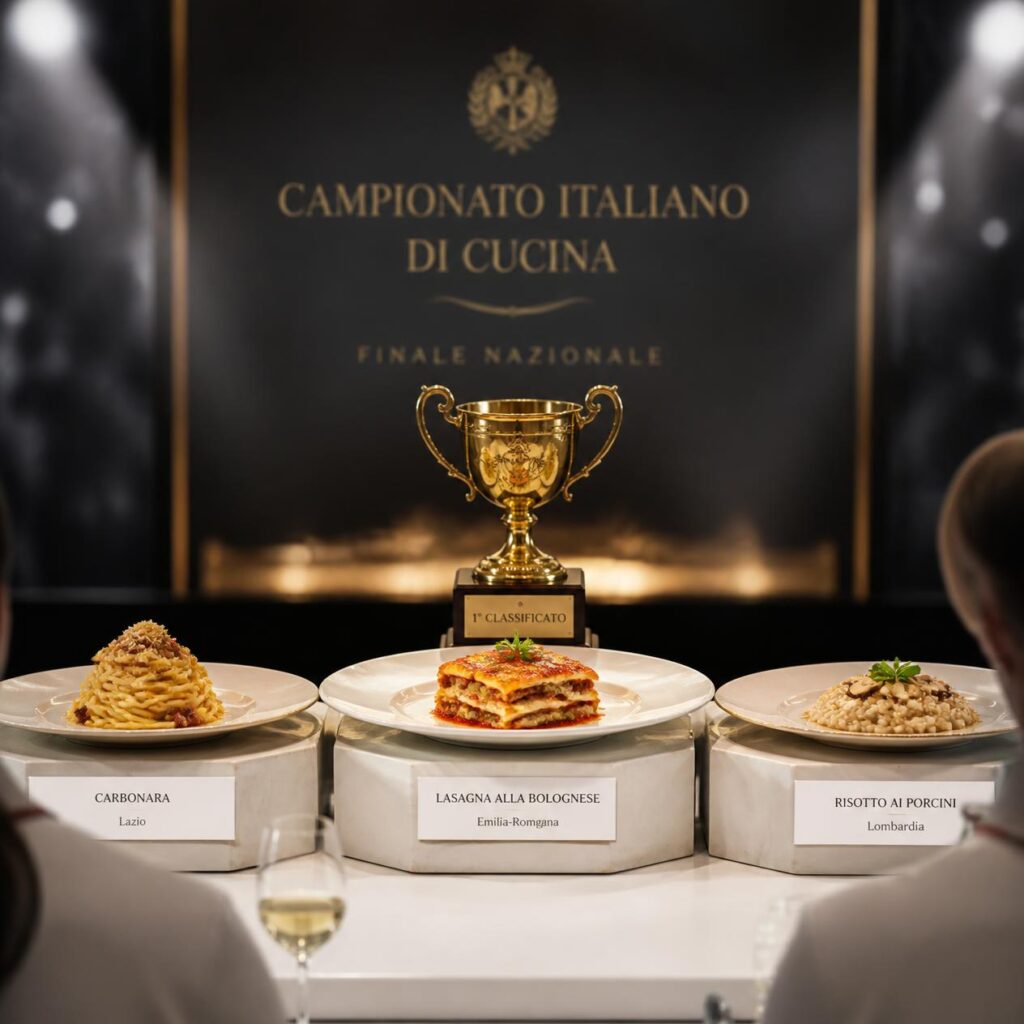
The Verdict: Why Italian Food in Italy Reigns Supreme
After examining its simplicity, regional diversity, ingredient quality, cultural context, and living tradition, the conclusion becomes clear: Italian food in Italy represents the pinnacle of culinary achievement for several reasons:
- Unparalleled Ingredient Quality: Italy’s protected designation products, agricultural diversity, and commitment to traditional methods create ingredients with flavors that cannot be replicated elsewhere.
- Philosophy of Simplicity: Italian cuisine’s confidence in allowing few high-quality ingredients to shine creates dishes of remarkable clarity and balance.
- Regional Diversity: With twenty distinct culinary traditions, Italian food offers endless variety while maintaining consistent excellence.
- Living Tradition: Italian food evolves intelligently, respecting heritage while incorporating innovation—creating a cuisine that’s both timeless and timely.
- Cultural Integration: Food isn’t separate from Italian life but woven into its fabric, creating an emotional dimension to eating that transcends mere taste.
- Balance of Health: Traditional Italian food manages to be both exceptionally delicious and remarkably nutritious—a rare combination in world cuisines.
- Universal Appeal with Uniquely Italian Character: Despite its global popularity, Italian food remains distinctly Italian—never diluting its identity to appeal to broader audiences.
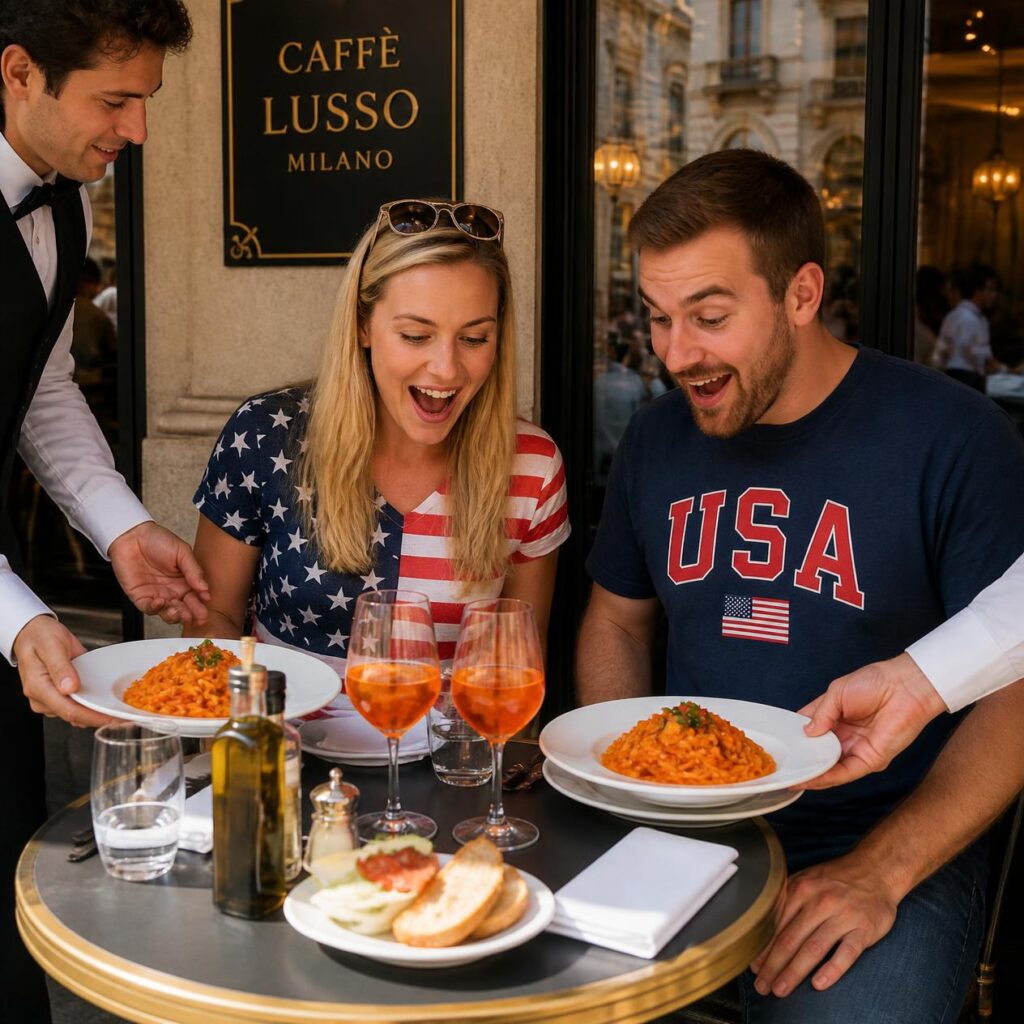
The Call to Action: Taste Italy for Yourself
Understanding why Italian food in Italy is the world’s best cuisine isn’t enough—the only way to truly grasp it is to experience it firsthand. This doesn’t necessarily mean planning an expensive trip to Rome or Florence; sometimes the most authentic Italian food experiences are found in small towns, family-run trattorias, and local markets off the tourist path.
When you go, approach with an open mind and empty stomach. Try the regional specialties rather than familiar dishes. Seek out small producers of cheese, cured meats, and olive oil. Most importantly, eat like an Italian—slowly, appreciatively, and with pleasure.